Stigma is experienced when a person or group of individuals have a particular characteristic (ie. a chronologic age), and there is a negative attitudinal association with such characteristic. Older adults with mental health issues are doubley stigmatized as being “old” and having “mental health issues.”
Stigma can be very simply understood as a fact about a person, which is being perceived by others in a particular way (which is typically negative). We cannot change these facts; whether someone is 65 or if someone has clinical depression – but we can change our attitude towards these facts. What’s sad about stigma, is it really has more to do with others than it does with the individual presenting the characteristic. Mental health policy, from a governing level (federal or provincial) could greatly influence educational programs to raise awareness and to help combat stigmatization towards mental health and ageisim. Some private companies have already done great work to start these conversations, despite the lack of governing mental health policy. Most notably, Bell Let’s Talk.
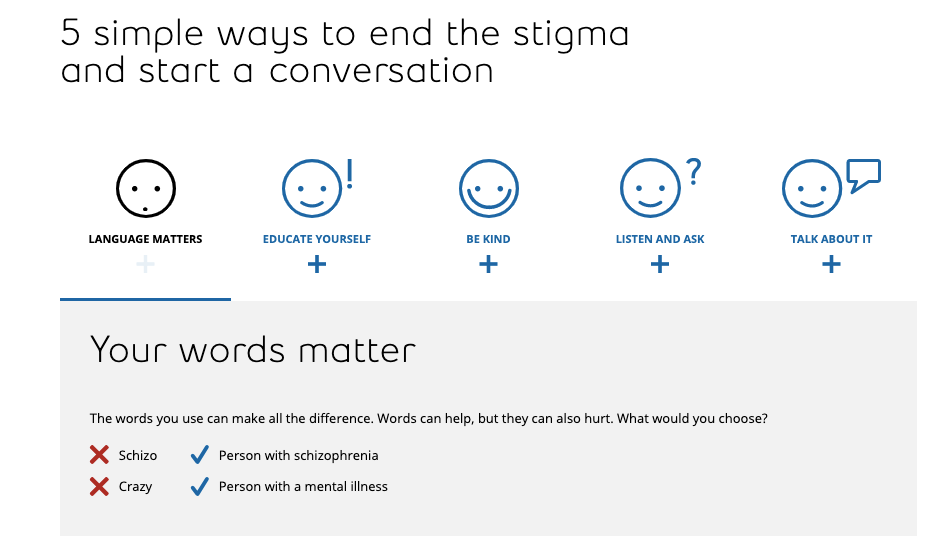
Click on this link to use the interactive tool Bell has made!
 Mental Health Policy for Older Adults